Understanding Elevator Performance Audits and Benefits
- kensonthomas78
- Jun 17
- 4 min read
Elevators are essential components of modern buildings, providing convenience and accessibility. However, like any mechanical system, they require regular assessments to ensure optimal performance. This is where elevator performance audits come into play. These audits not only help in identifying potential issues but also enhance the overall efficiency and safety of elevator systems. In this blog post, we will explore what elevator performance audits entail, their benefits, and how they can contribute to the longevity of your elevator systems.
What is an Elevator Performance Audit?
An elevator performance audit is a systematic evaluation of an elevator system's functionality, safety, and compliance with relevant standards. The audit typically involves a thorough inspection of various components, including:
Mechanical Systems: This includes the motor, pulleys, and cables.
Control Systems: Evaluating the software and hardware that manage the elevator's operations.
Safety Features: Checking emergency brakes, alarms, and other safety mechanisms.
User Experience: Assessing the ride quality, speed, and accessibility features.
The goal of the audit is to ensure that the elevator operates efficiently and safely while meeting the needs of its users.
Why Conduct Elevator Performance Audits?
1. Safety Assurance
Safety is paramount in any building, and elevators are no exception. Regular audits help identify potential safety hazards, ensuring that all safety features are functioning correctly. For instance, an audit may reveal that emergency brakes are not engaging as they should, prompting immediate repairs to prevent accidents.
2. Regulatory Compliance
Elevators must comply with local and national safety regulations. An audit ensures that your elevator meets these standards, helping you avoid potential fines and legal issues. For example, if your elevator does not meet the Americans with Disabilities Act (ADA) requirements, an audit can help identify necessary modifications.
3. Cost Efficiency
Regular audits can save money in the long run. By identifying issues early, you can address them before they escalate into costly repairs. For instance, a minor adjustment to the control system might prevent a major breakdown that would require a complete system overhaul.
4. Enhanced Performance
An elevator that operates efficiently can significantly improve the user experience. Audits can help optimize performance by identifying areas for improvement, such as reducing wait times or enhancing ride smoothness. This is particularly important in high-traffic buildings where elevator performance directly impacts user satisfaction.
5. Prolonged Lifespan
Elevators are a significant investment, and regular maintenance through audits can extend their lifespan. By ensuring that all components are functioning correctly, you can avoid premature replacements and maximize your investment.
The Audit Process
Step 1: Preparation
Before the audit begins, the auditor will gather relevant documentation, including maintenance records, previous audit reports, and compliance certificates. This information helps the auditor understand the elevator's history and any recurring issues.
Step 2: On-Site Inspection
The auditor will conduct a thorough on-site inspection, examining all components of the elevator system. This includes:
Visual Inspections: Checking for signs of wear and tear, corrosion, or damage.
Functional Tests: Running the elevator to assess its performance, including speed, leveling, and door operation.
Safety Checks: Testing emergency systems and alarms to ensure they are operational.
Step 3: Data Analysis
After the inspection, the auditor will analyze the collected data to identify any issues or areas for improvement. This analysis may involve comparing the elevator's performance against industry benchmarks or manufacturer specifications.
Step 4: Reporting
The auditor will compile a detailed report outlining their findings, including any identified issues, recommendations for improvements, and a compliance assessment. This report serves as a valuable resource for building management.
Step 5: Follow-Up
After the audit, it is essential to address any identified issues promptly. Follow-up actions may include scheduling repairs, implementing recommended changes, or planning for future audits.
Benefits of Regular Elevator Performance Audits
Improved Safety Standards
Regular audits ensure that elevators meet safety standards, reducing the risk of accidents and injuries. By identifying potential hazards, building managers can take proactive measures to enhance safety.
Increased User Satisfaction
A well-maintained elevator system provides a better user experience. Regular audits help ensure that elevators operate smoothly and efficiently, leading to higher satisfaction among building occupants.
Reduced Downtime
By identifying and addressing issues early, audits can minimize elevator downtime. This is particularly important in commercial buildings where elevator access is crucial for daily operations.
Enhanced Property Value
A building with a well-maintained elevator system is more attractive to potential tenants or buyers. Regular audits demonstrate a commitment to safety and quality, enhancing the property's overall value.
Compliance with Regulations
Regular audits help ensure compliance with safety regulations, reducing the risk of fines and legal issues. This is particularly important for property managers who must adhere to local and national codes.
Conclusion
Elevator performance audits are a vital aspect of maintaining safe and efficient elevator systems. By conducting regular audits, building managers can ensure compliance with safety standards, enhance user satisfaction, and prolong the lifespan of their elevators. Investing in these audits not only protects your investment but also contributes to a safer and more efficient building environment.
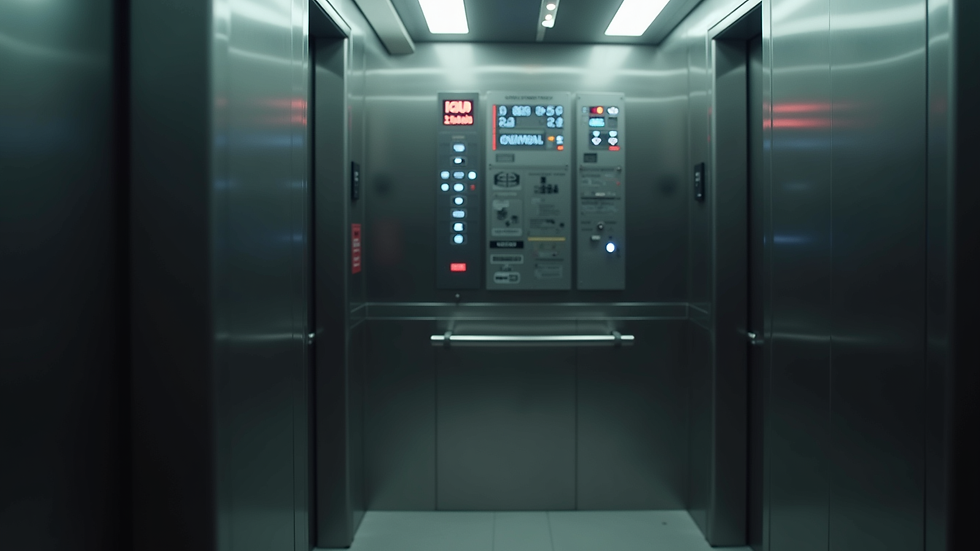
As you consider the importance of elevator performance audits, think about scheduling one for your building. The benefits are clear, and the peace of mind that comes with knowing your elevator is safe and efficient is invaluable. Don't wait for a problem to arise; take proactive steps to ensure the safety and performance of your elevator systems today.


Comments